2026 Guest Presenters
A wonderful group of new and returning presenters have agreed to share their time and expertise with our attendees. We often add additional presenters leading up to the festival as they confirm, so check back often to see who will be there.
-
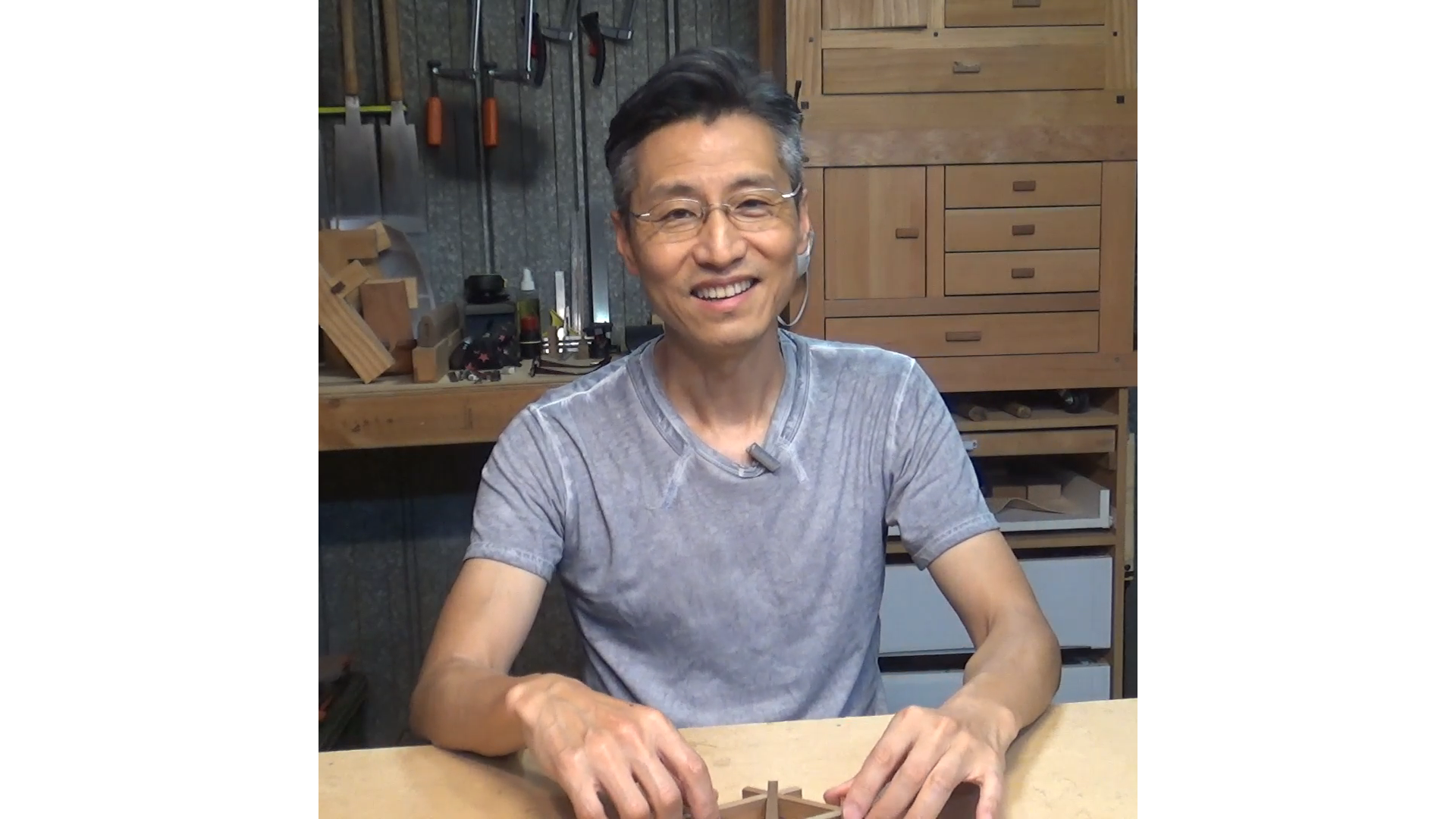
Hisao Zen
Hisao Zen is a Japanese woodworker and educator based in Australia, and the founder of DIY Japanese Joinery. He teaches traditional Japanese woodworking to an international audience, with a focus on clear structure and practical understanding. Rather than relying on “that’s just how it’s done,” his work explores why techniques exist and how they can be meaningfully applied in contemporary practice.
-

Yann Giguere
Yann founded Mokuchi Studio in 2008 and previously ran the NY KEZ event until relocating to Oregon. He honed his Japanese woodworking skills while apprenticing under Dale Brotherton at the Takumi Company. His work exhibits fine joinery, clean finishing and a clear reverence for the natural material. Yann passionately shares his expertise with students through his workshops and classes.
-
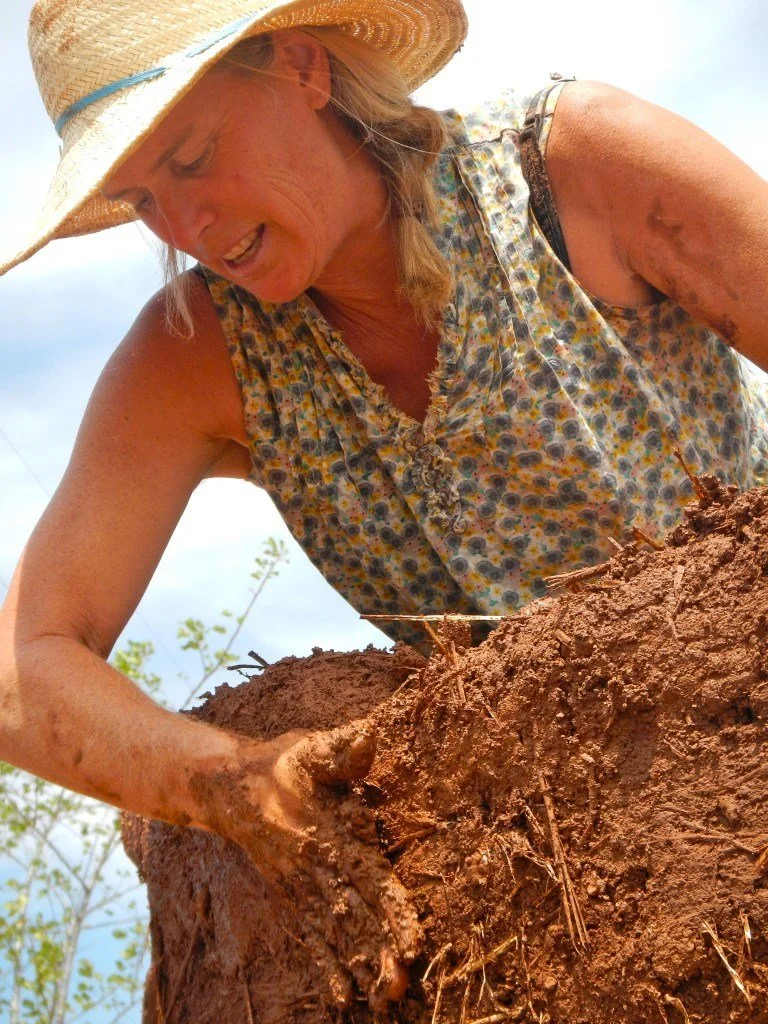
Liz Johndrow
Liz Johndrow is a builder from Vermont. She works with cob, earthbag, adobe, strawbale, earthen plasters and floor systems, and timber framing. During the last few years, Liz has taken on a prominent role as a natural building teacher and facilitator, traveling internationally to help town residents and communities learn the joys and advantages of building.
-
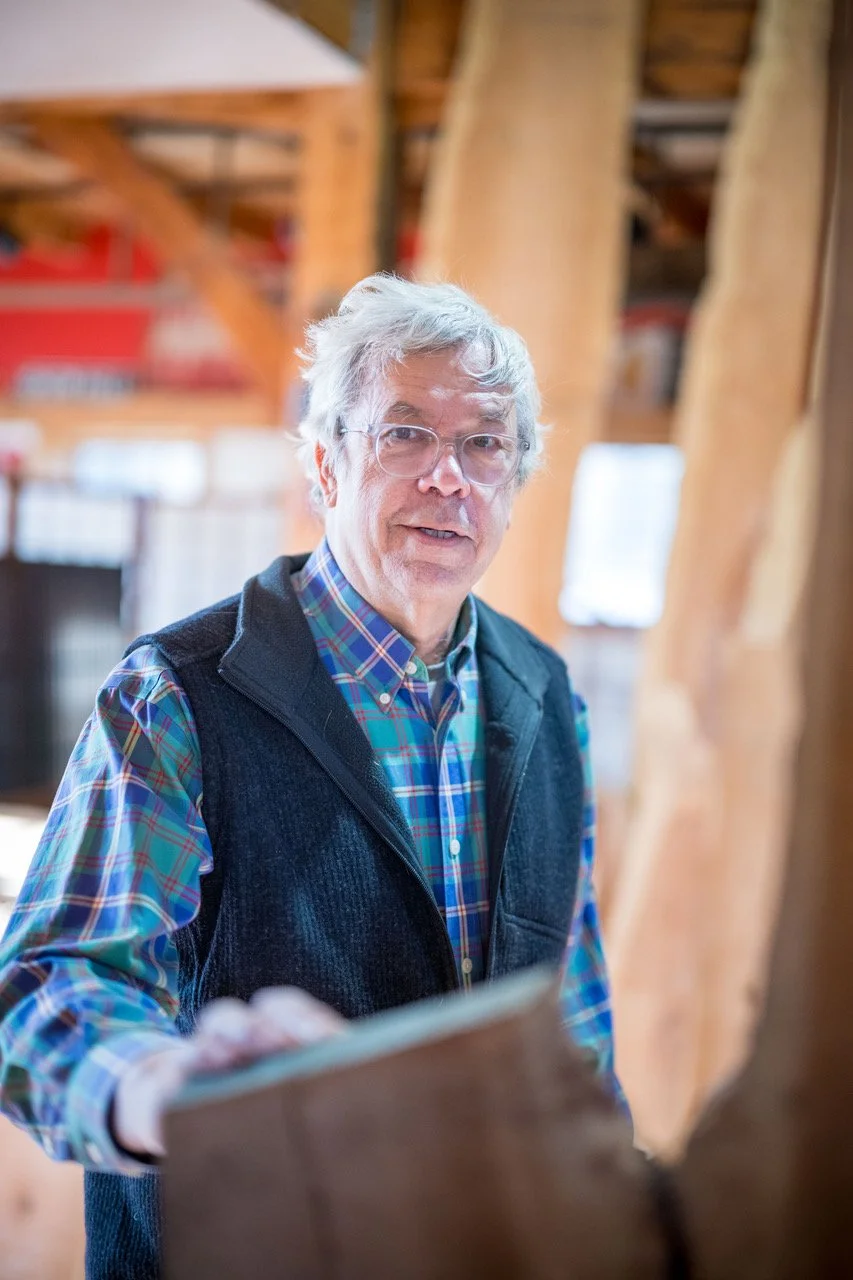
Paul Tuller
Paul Tuller has been designing and building custom furniture and architectural elements for over 40 years. In the early 1980’s, Paul took workshops from Robert Meadow and master temple and tea house carpenter Makoto Imai to learn the basic use of Japanese hand tools. In 1986 Paul became a juried member of the League of New Hampshire craftsman. In 1990 he co-founded the Guild of New Hampshire Woodworkers. In 2004 he purchased timbers that had been cut by 2 Japanese carpenters and Karl Bareis as a display for the Brattleboro Museum in 1987. The pieces had been in storage for 16 years. He assembled the frame on his property in Dublin, NH in 2005 and has spent 20 years finishing the building and developing a Japanese garden around it.
-
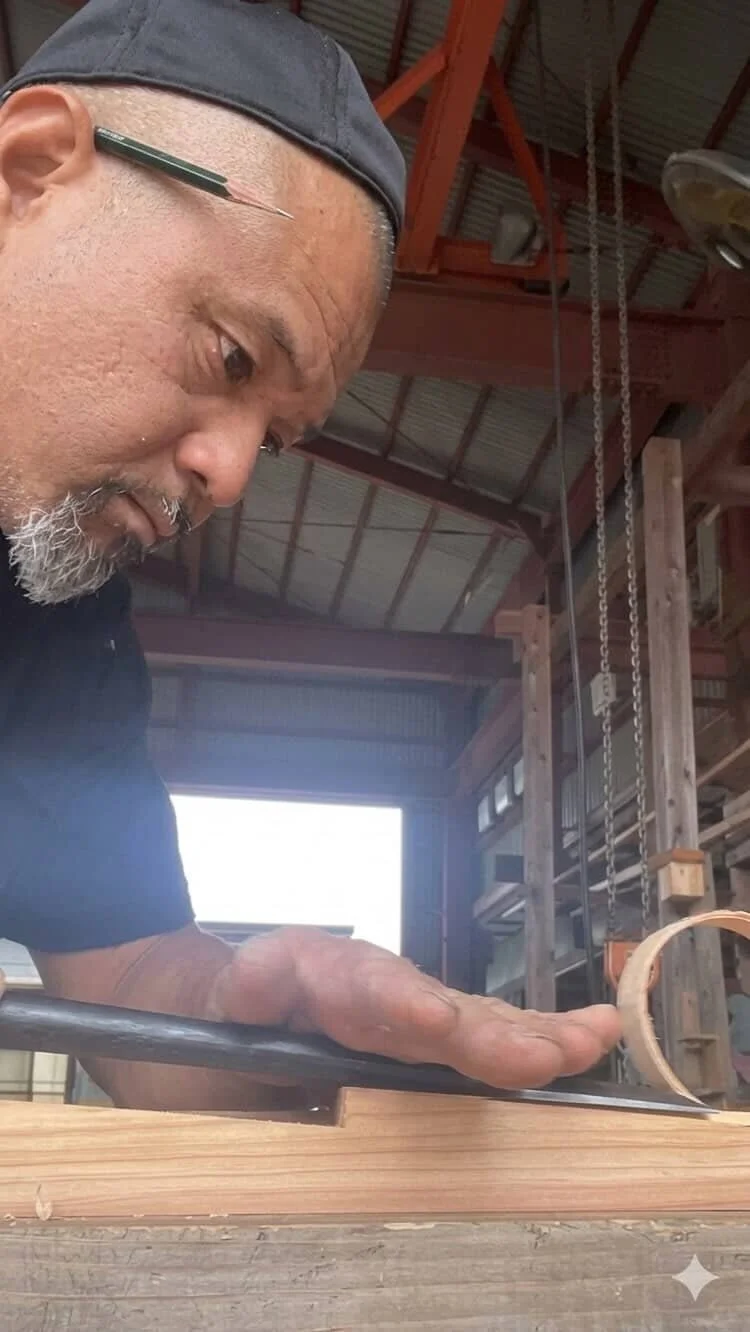
Kokichi Ozaki
@chantarokichi - Joining Remotely
Traditional Temple and Shrine Carpenter Kokichi Ozaki began his career at the age of 20, apprenticing under a master who received the “Contemporary Master Craftsman” award and the “Medal with Purple Ribbon” from the Japanese government. After ten years of rigorous training, he joined Kongo Gumi—the world’s oldest company with over 1,400 years of history. For 13 years at Kongo Gumi, he worked as a skilled carpenter, contributing to the construction and restoration of numerous temples and shrines, including Ise Jingu, Japan’s most sacred shrine. Currently, he continues his work at the forefront of cultural heritage preservation, participating in the monumental dismantling and restoration of the National Treasure: Nio-mon Gate at Kinpusen-ji Temple. Through his “Project Sekito,” Kokichi pursues the creation of tools that bridge traditional craftsmanship with modern site-work, embodying the quiet strength and persistence of the Miyadaiku spirit. -
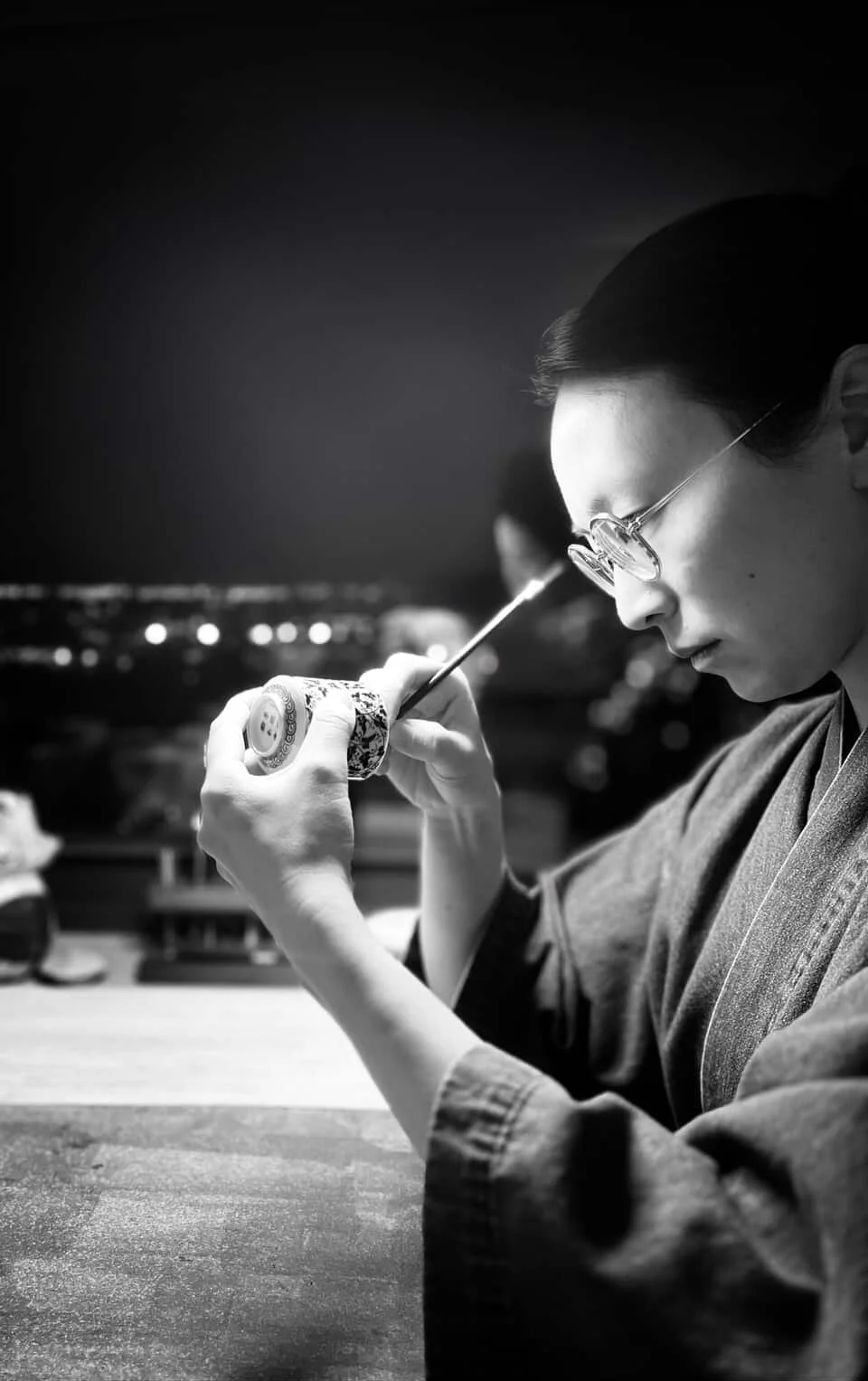
Makomako
Makomako is a Kintsugi artist based in New York, specializing in the authentic art of golden joinery. She is recognized for her expertise in restoring ceramics and diverse materials—including porcelain, Yixing clay, bamboo, agate, jade, and glass—using natural urushi lacquer and precious metals. Each repair is both functional and poetic, transforming fractures into visible landscapes of memory. Her practice is rooted in traditional craftsmanship, drawing from training under renowned urushi master Gen Saratani and further studies with master artisans in Japan and China, and urushi tapping in Joboji, one of the few regions in Japan where natural urushi is still harvested.
-
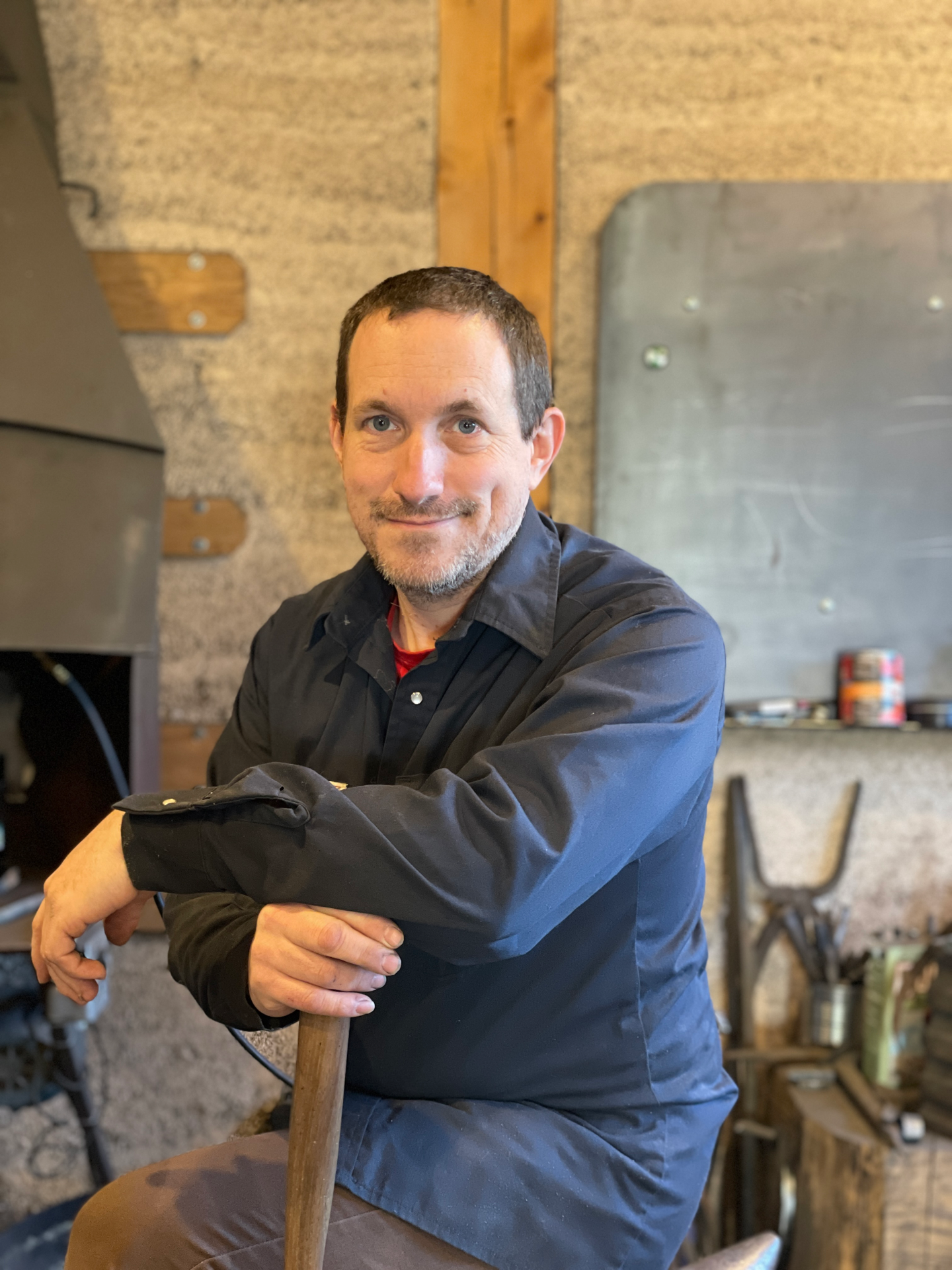
Pierre Nadeau
Pierre Nadeau grew up in Montréal before moving to Japan in 2002. He is one of only three non-Japanese to have done an apprenticeship in traditional swordsmithing during his 10 year stay. He presently works as a restoration blacksmith and moves back and forth between Canada and Japan to pursue his focus on ancient steel smelting and steel production in sword forging.
-
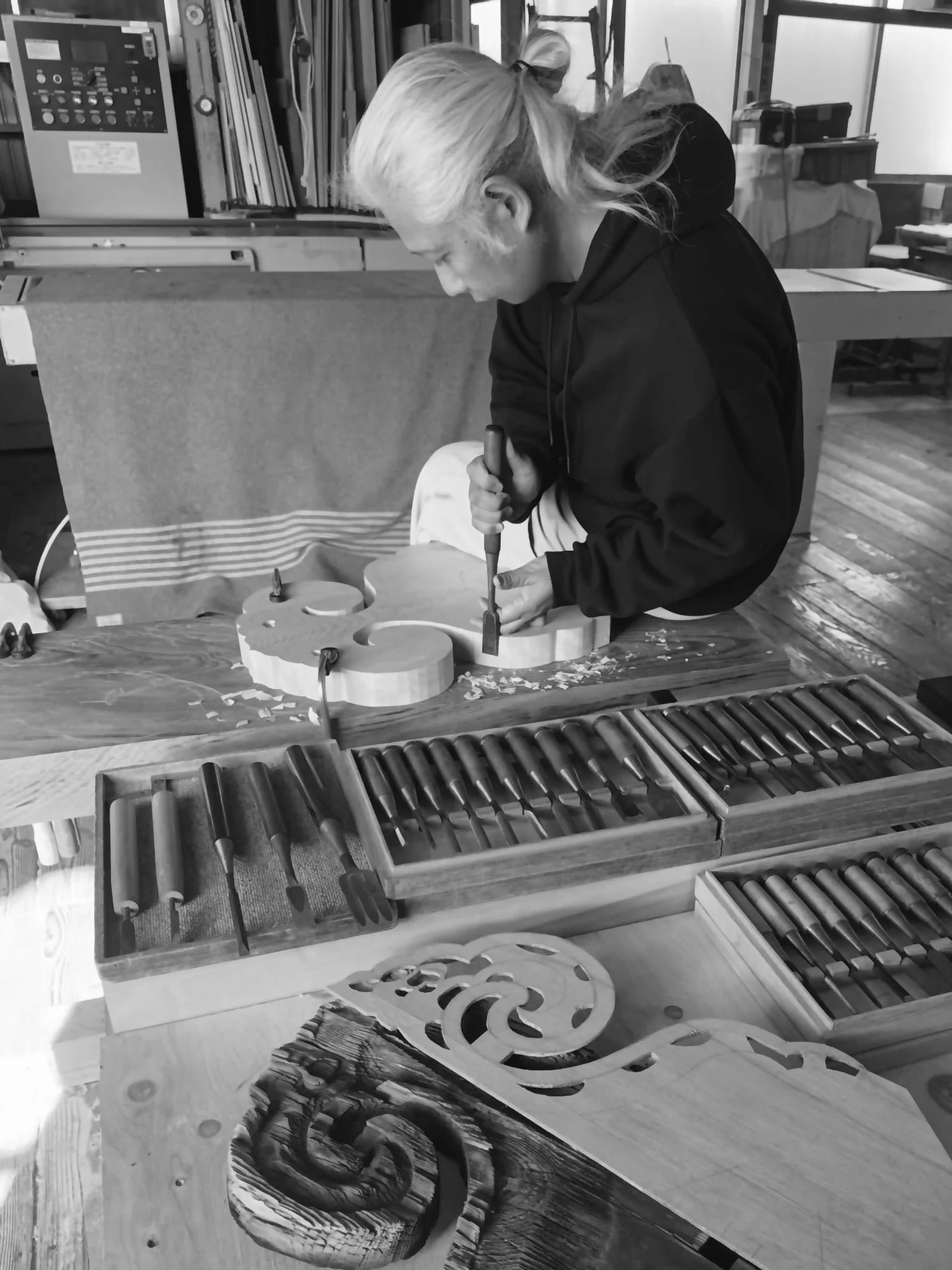
Shigetaka Mochizuki
@m_architect_builder_office - Joining Remotely
Trained in the construction of temples and shrines, Shigetaka Mochizuki draws upon skills and knowledge passed down orally from master carpenters to design and build a wide range of structures, from sacred architecture to private residences and traditional Japanese homes. Challenging conventional perceptions of temple carpentry, he develops what he describes as “evolutionary tradition”—a design approach that reinterprets traditional techniques in contemporary and expressive ways. The result is distinctive, one-of-a-kind architecture that reflects both deep craftsmanship and an innovative design sensibility rarely found elsewhere, and has received major recognition in Japan and internationally, including the iF Design Award (Gold), International Design Awards (Gold), and the Japan Spatial Design Award (KUKAN OF THE YEAR), among others.
-
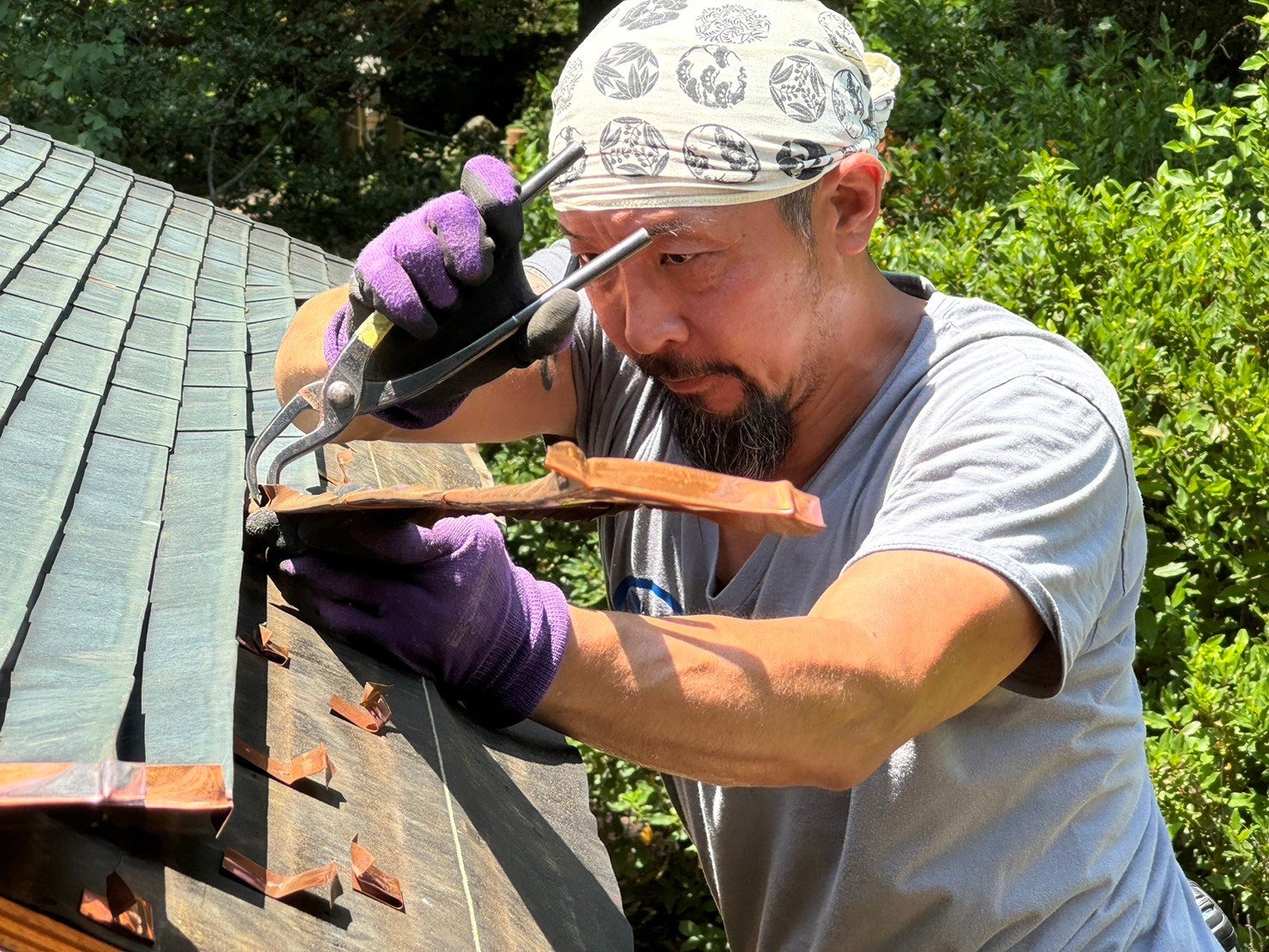
Hiroshi Awano
Hiroshi “Hiro” Awano is a Virginia-based woodworker with over 18 years of experience, who began as a door maker in Japan. Known for his unstoppable work ethic and deep respect for traditional craft, Hiro creates everything from shoji screens and kumiko lattice to copper roof tiles and restorations. Blending time-honored techniques with fresh ideas, he brings exceptional skill and dedication to every project.
-
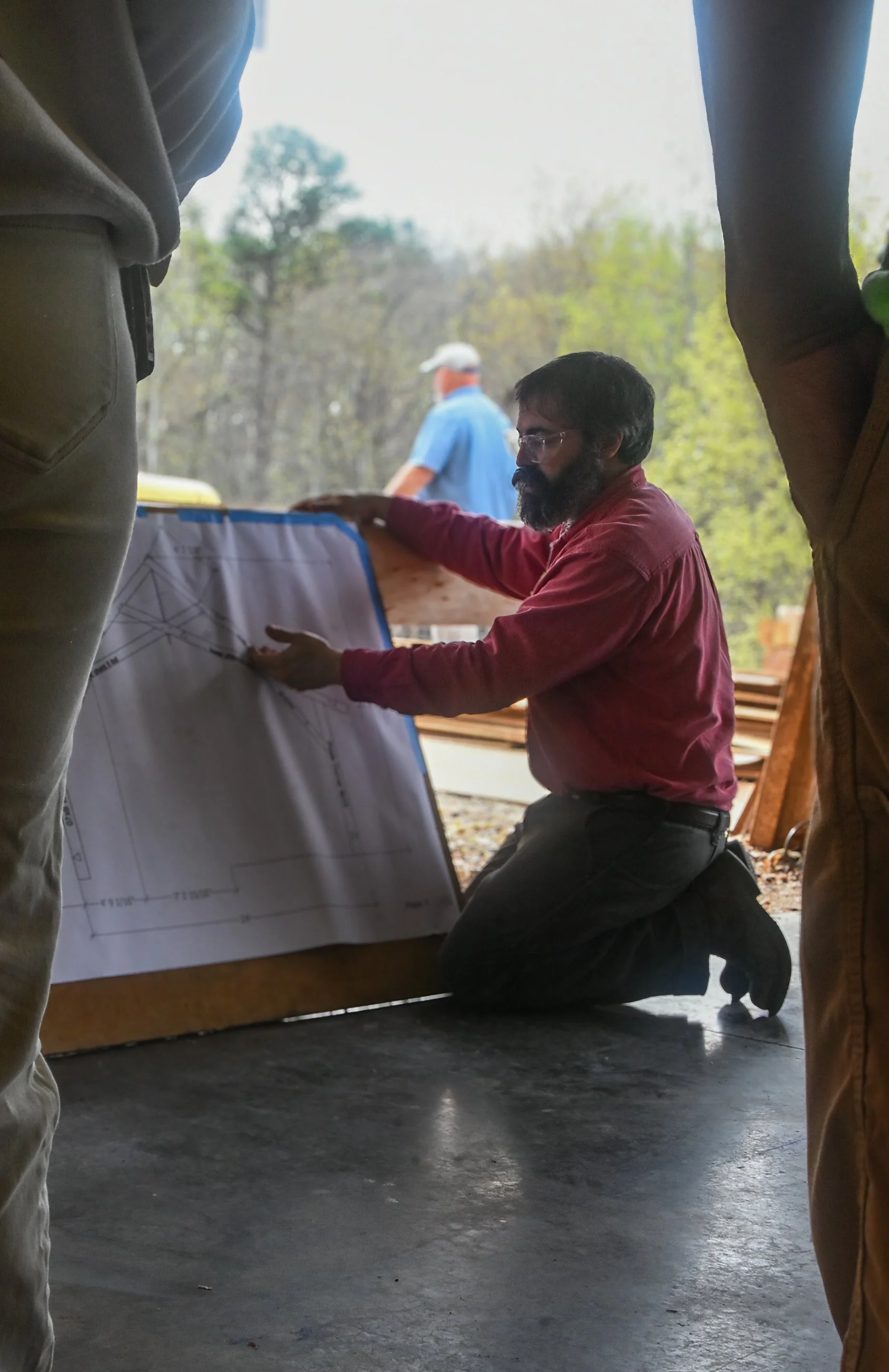
Adam Miller
Adam Miller works to keep carpentry a vital and evolving craft by integrating contemporary technology and traditional knowledge from around the world. Now, through Kominka North America, he helps to give traditional Japanese structures new lives abroad, saving them from imminent demolition. Adam’s teaching and fabrication projects specialize in scribing wild timber. He has served as editor of Timber Framing, the technical journal of the Timber Framers Guild, since 2018 and will be building a somewhat traditional Chinese woven arch bridge near his home in Vermont this year.
-
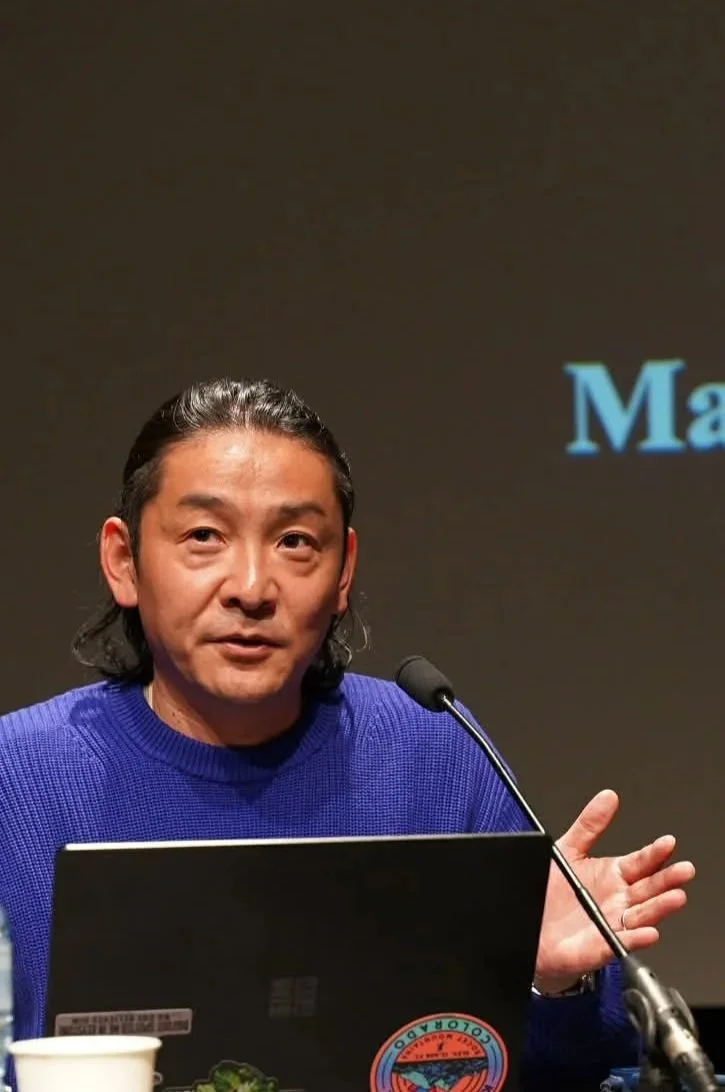
Koji Toda
Koji Toda oversees the traditional work of Toda Komuten, a family-run design-build company in Shinshiro, Aichi Prefecture with roots in the Taishō era and a long tradition of wooden architecture. He has been deeply involved in preservation efforts for many years, coordinating the relocation and renewal of endangered structures for use in Japanese gardens, retreat centers, cultural facilities, and private homes in Japan and abroad. Koji also travels internationally to offer workshops and share traditional building knowledge. He is slated to join the board of the forthcoming U.S. sister nonprofit to the Kominka Collective, supporting international exchange and the stewardship of Japan’s architectural heritage. Koji is an active member of the Japan Kominka Association.
-

Andrea Carlson
Andrea Carlson is one of the founders of the Kominka Collective, a Japan-based non-profit dedicated to preserving and revitalizing traditional Japanese architecture in partnership with Toda Komuten and Kominka North America. The Kominka Collective supports in-place preservation, coordinates the relocation and reuse of endangered kominka and other traditional structures, and helps integrate reclaimed materials into both new and existing buildings. Its work also encompasses educational programs, artisan-led workshops, cultural exchange activities, research and documentation, and twice-yearly architectural study tours with the Timber Framers Guild, as well as hosting an annual Cultural Heritage Fellow. Andrea also serves as Director of Programs and Initiatives at the Minka Preservation Society in Japan.
-

Will O'Connor
Will has been an avid woodworker and advocate for Japanese tools and methods for the past decade. Apart from running his own one-man woodworking business and teaching classes in the Japanese woodworking tradition, he also plays guitar and sings in an acoustic cover band.
-
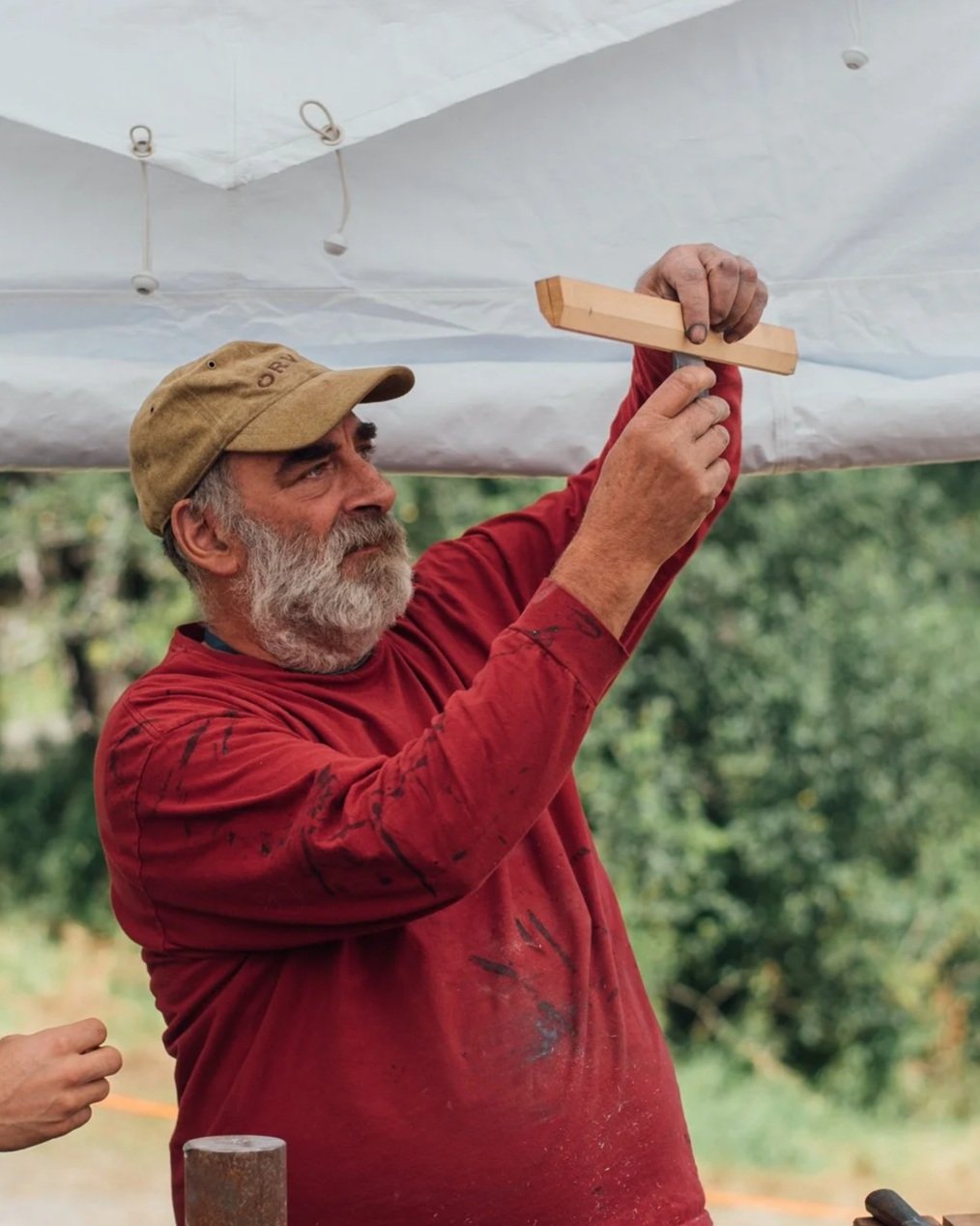
Jim Blauvelt
Jim began his career in woodworking in 1982 studying under Robert Meadow before delving into to traditional handwork under Toshihiro Sahara from 1986 to 1990. Jim also apprenticed with Makoto Imai working on Japanese timber frame structures. Also an avid blacksmith and tool maker, Jim offers a wealth of knowledge across many disciplines.
-
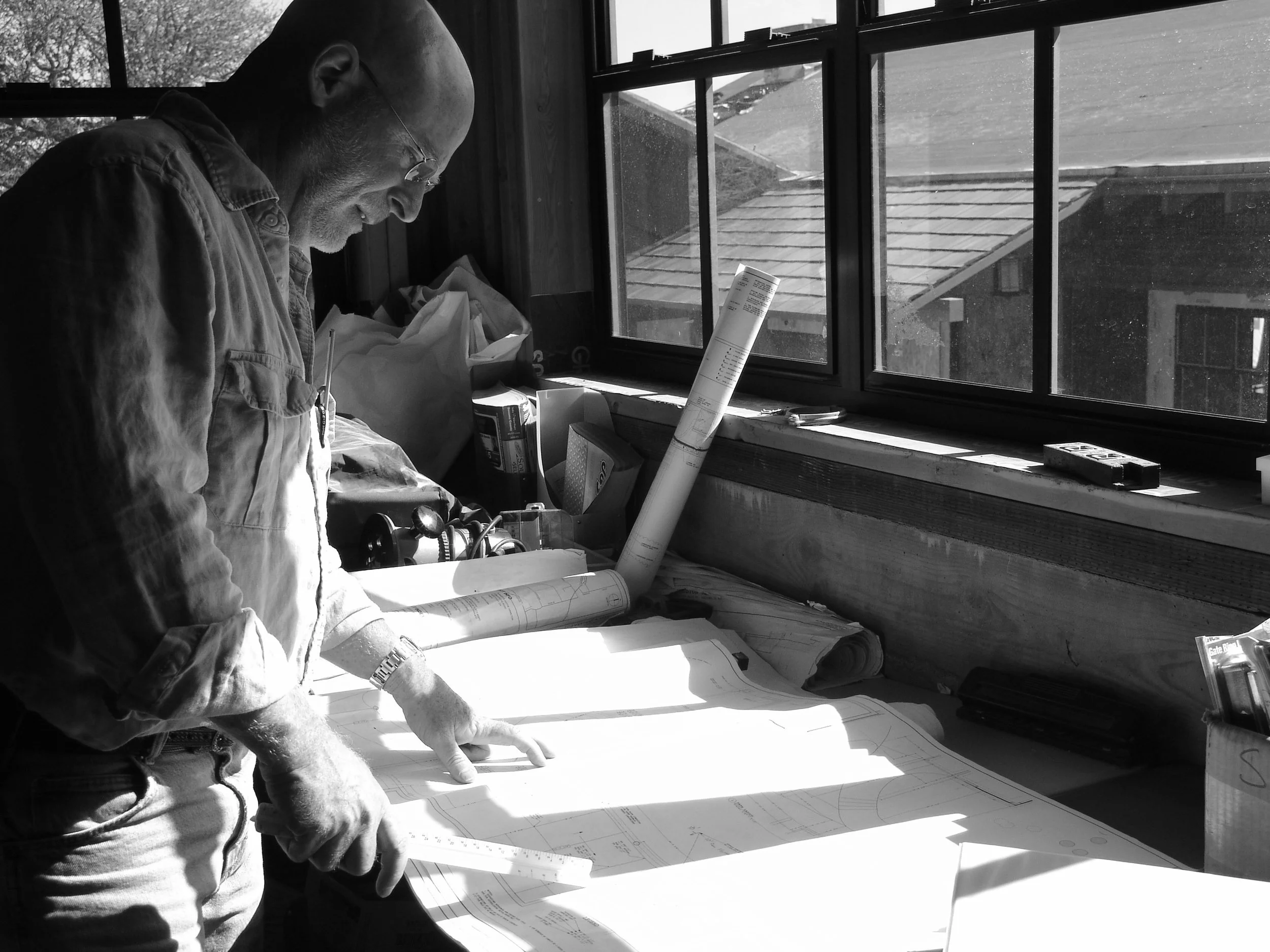
Matt Connorton
Matt's journey in woodworking began with unrestricted access to his family's basement tools, fostering a lifelong passion for creation and repair. His self-taught skills, enhanced by observing and working in various workshops, evolved into expertise in areas from furniture making to traditional Japanese carpentry. Despite the risks, Matt's adventurous spirit and continuous learning have kept both his curiosity and his physical well-being intact.
-
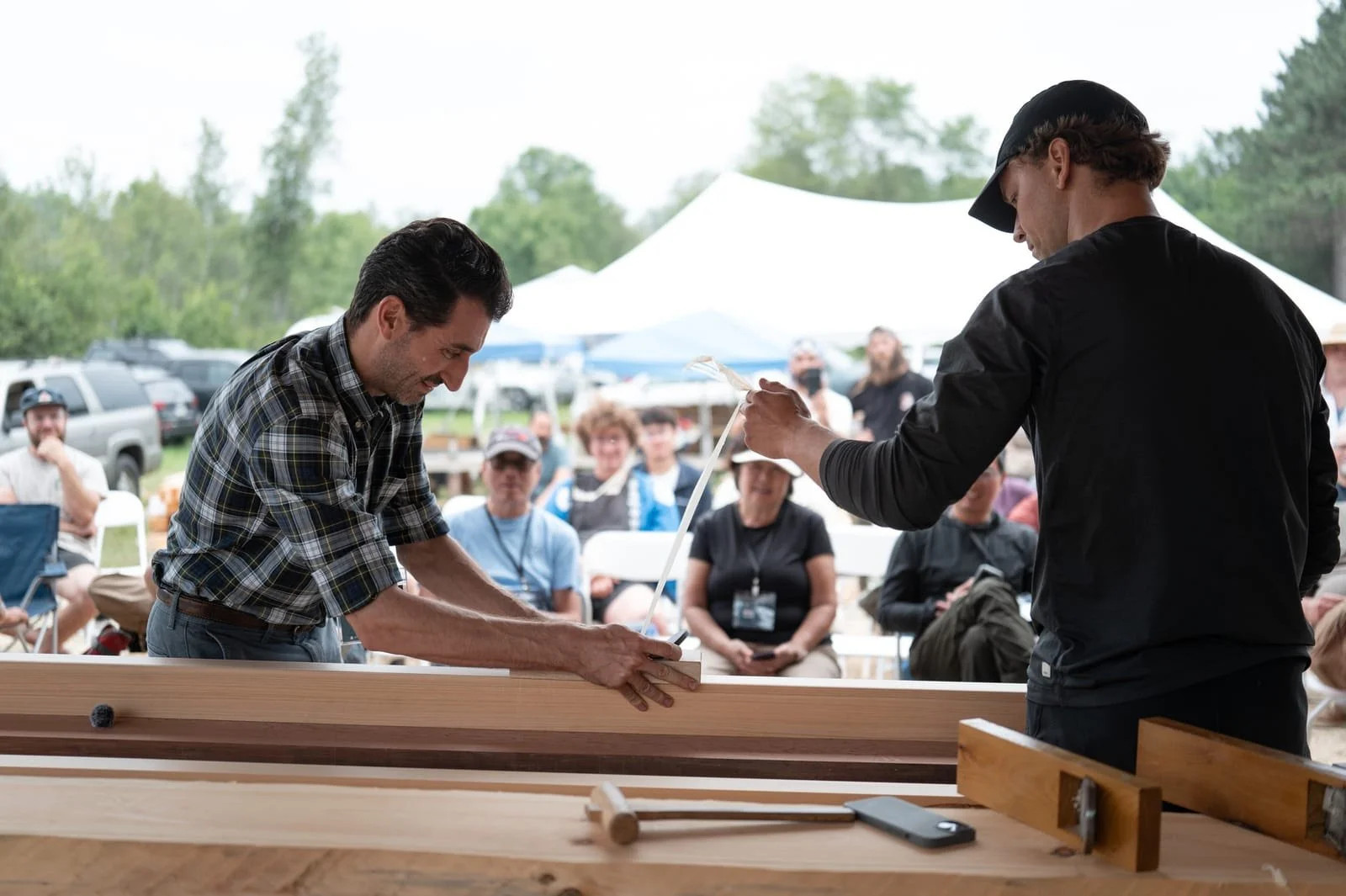
Brian Holcombe
Brian designs and builds original work, drawing influence from Japanese Sashimono and furniture of the Ming Dynasty. Focusing on cabinetry, casework, tables, boxes, art framing and shoji. Also a skilled machinist, Brian brings a refined precision to his work, often including his own designed and handmade hardware.
-
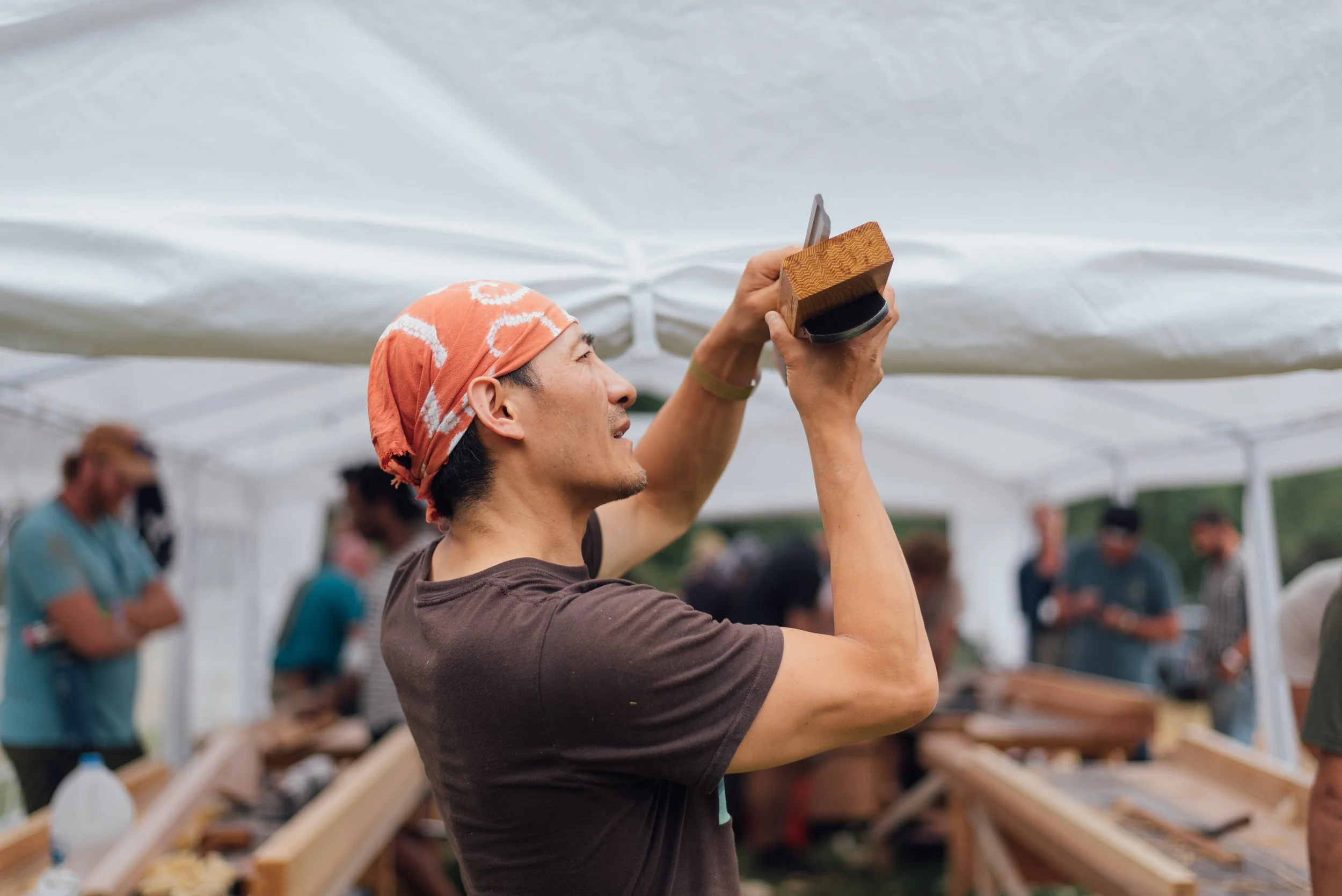
Andrew Ren
Andrew is a master of the hand plane, a skilled photographer, and a dedicated tool dealer. Known for his obsessive approach to honing his skills, he excels in planing competitions in Japan, achieving single-digit micron shavings. He collaborates with blacksmiths to develop premium tools for woodworking enthusiasts.
-
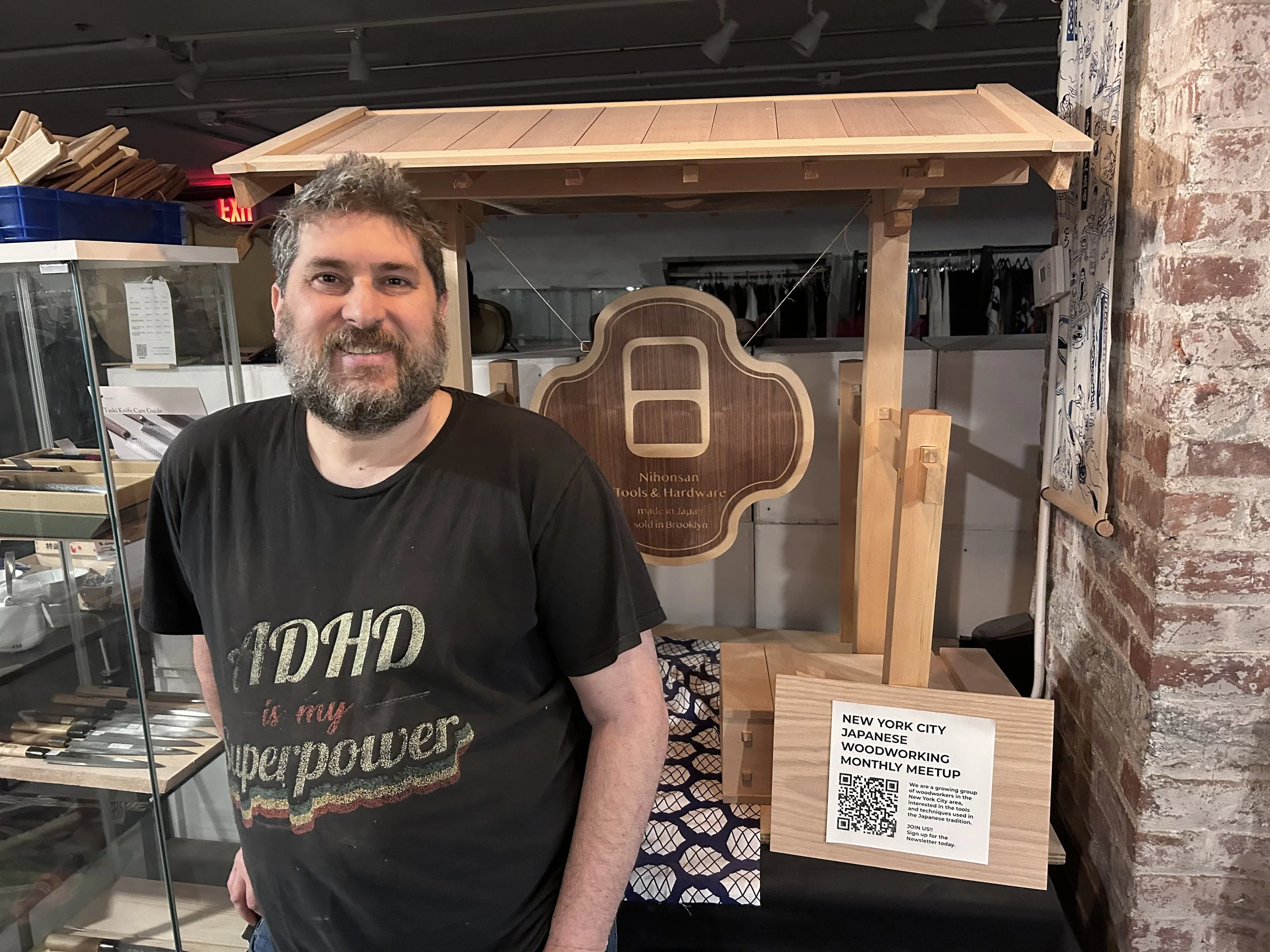
Joe Samalin
Joe Samalin was born and raised in New York City. He currently owns Nihonsan Tools and Hardware in Brooklyn, New York, where he offers Japanese hand tools along with classes, workshops, and events. For over 20 years, he has worked with local, national, and international organizations addressing gender violence. He has lived in Japan at various times for a combined total of about five years and is conversationally fluent in Japanese. He is an unapologetic cat person, not a dog person, and enjoys video games, ultimate frisbee, and woodworking. In addition to his work around gender-based violence, he has also been a firefighter, EMT, and professional archaeologist.
-
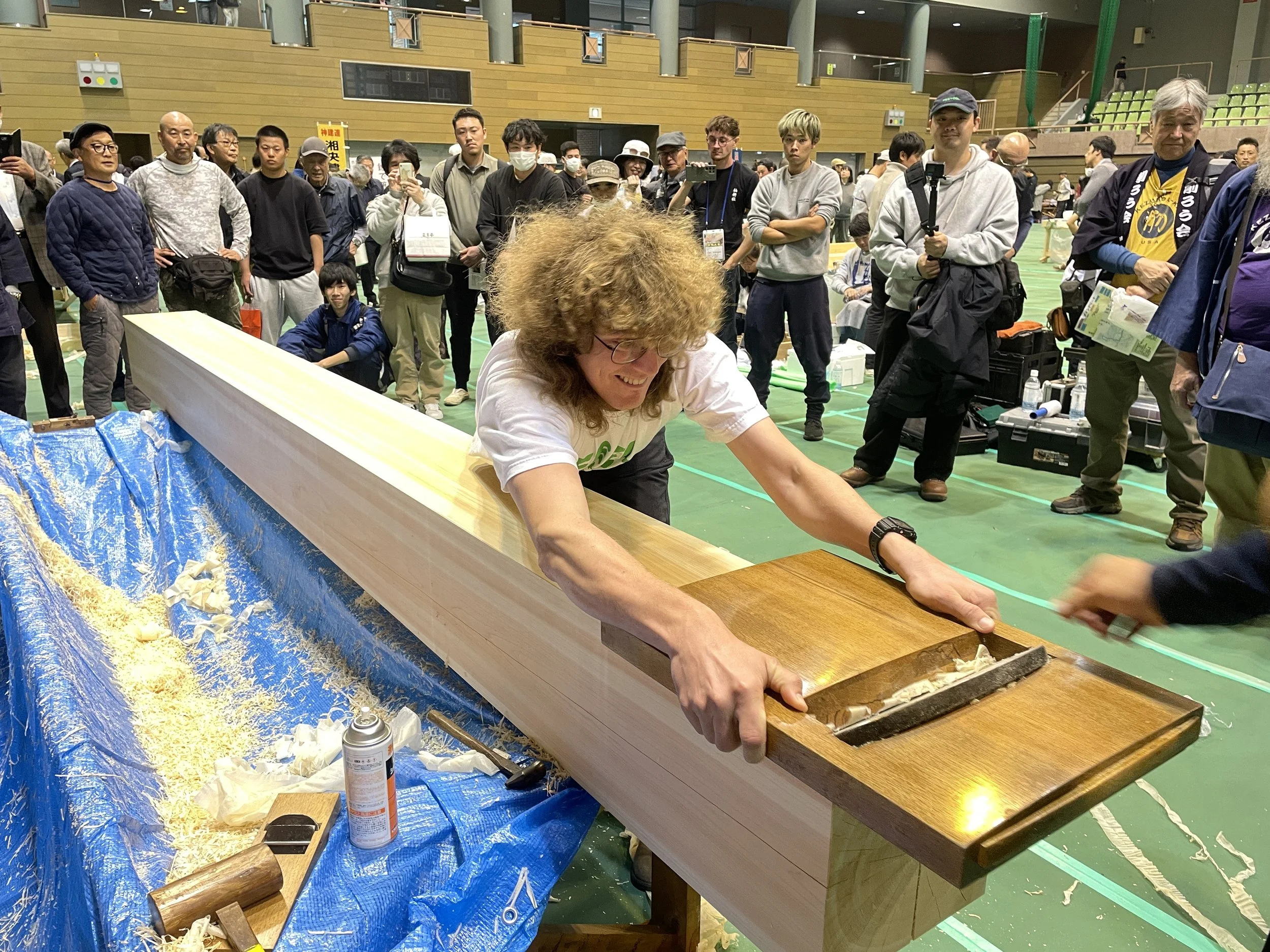
Morgan Donn
Morgan has studied architecture and Japanese carpentry both in America and Japan. He currently lives in New York teaching at Nihonsan Tool and Hardware.
-
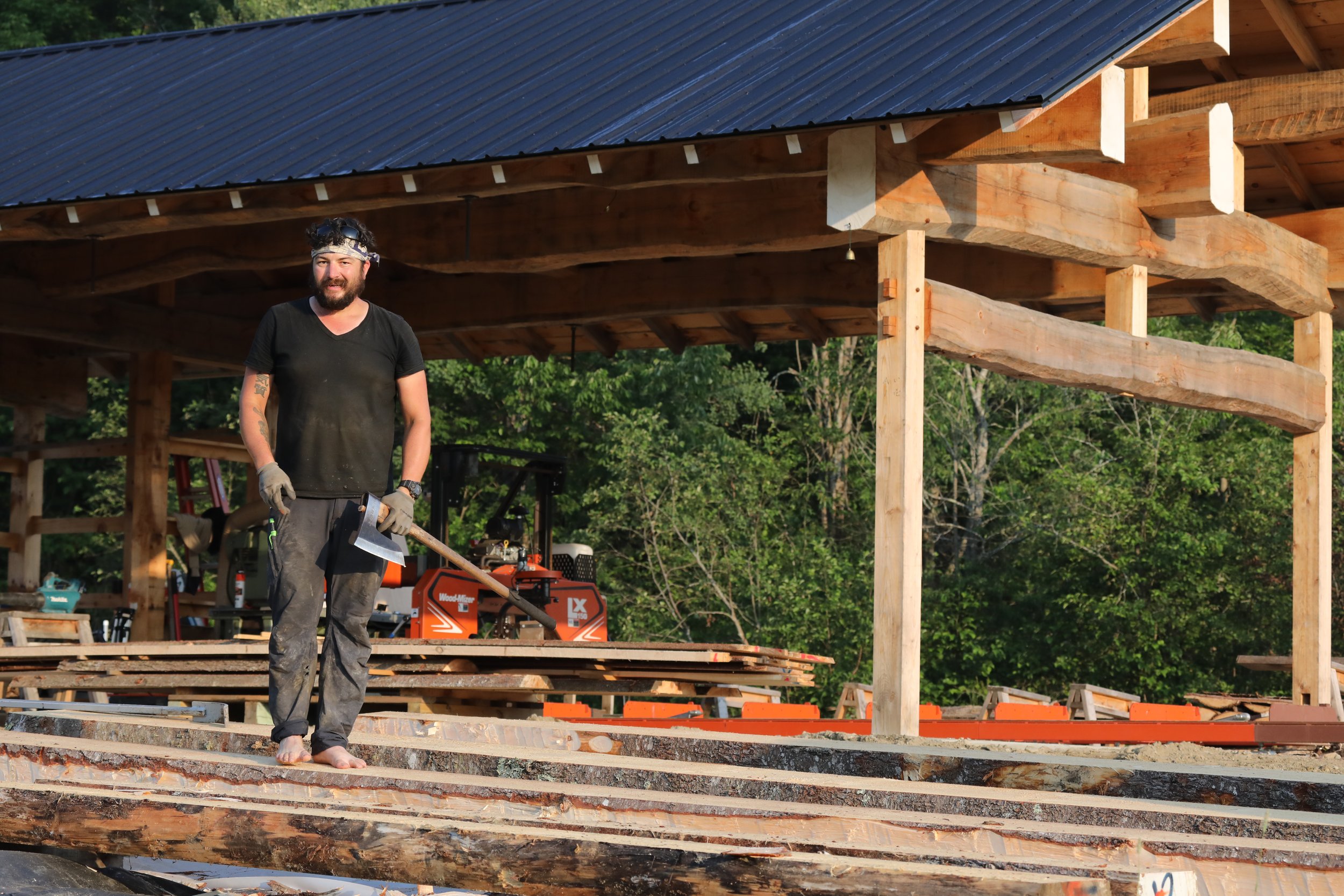
Jason Fox
Jason Fox is a carpenter, timber framer and teacher specializing in Japanese woodworking. After studying carpentry in Japan he began growing his design/build company, Never Stop Building, specializing in traditional Japanese architectural elements, shoji doors, tea rooms, timber frames, and furniture. In 2025 he founded the Wabi Sabi School for Japanese Craft.